" height="17.000000163269043px" id="mXV5oPkJi" transform="translate(3 3)" width="18.132596546325683px"/><path d="M 3.627 0 L 0 0 L 0 12.116 L 3.627 12.116 Z" fill="rgb(0, 0, 0)" height="12.11646px" id="FH4LAs8IL" transform="translate(3 7.884)" width="3.62666px"/></svg>)
" height="16.999554764361925px" id="CnX8U4CBC" transform="translate(4 4)" width="17px"/></svg>)
" height="15px" id="D7sK948q2" transform="translate(1 5)" width="22px"/></svg>)
" height="18px" id="Nl0eQGF0E" transform="translate(3 3)" width="18px"/></svg>)
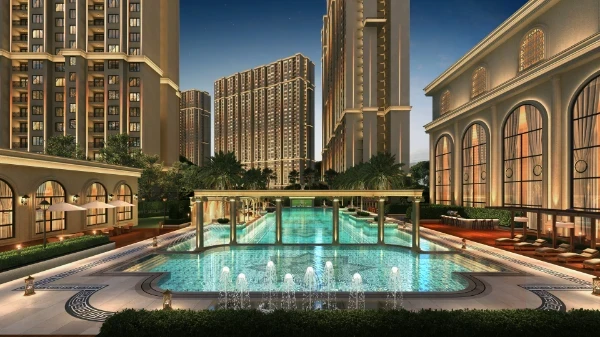

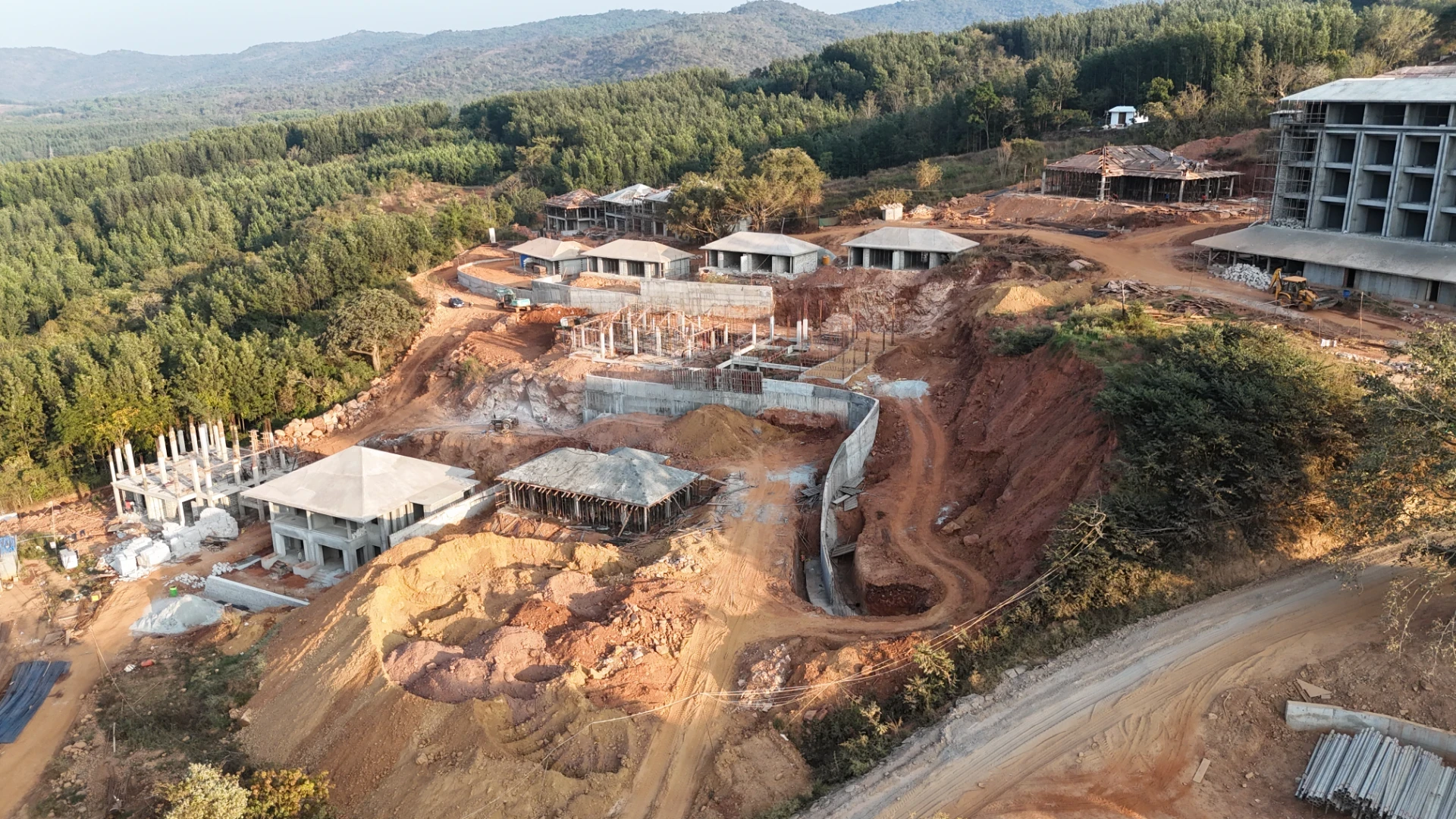
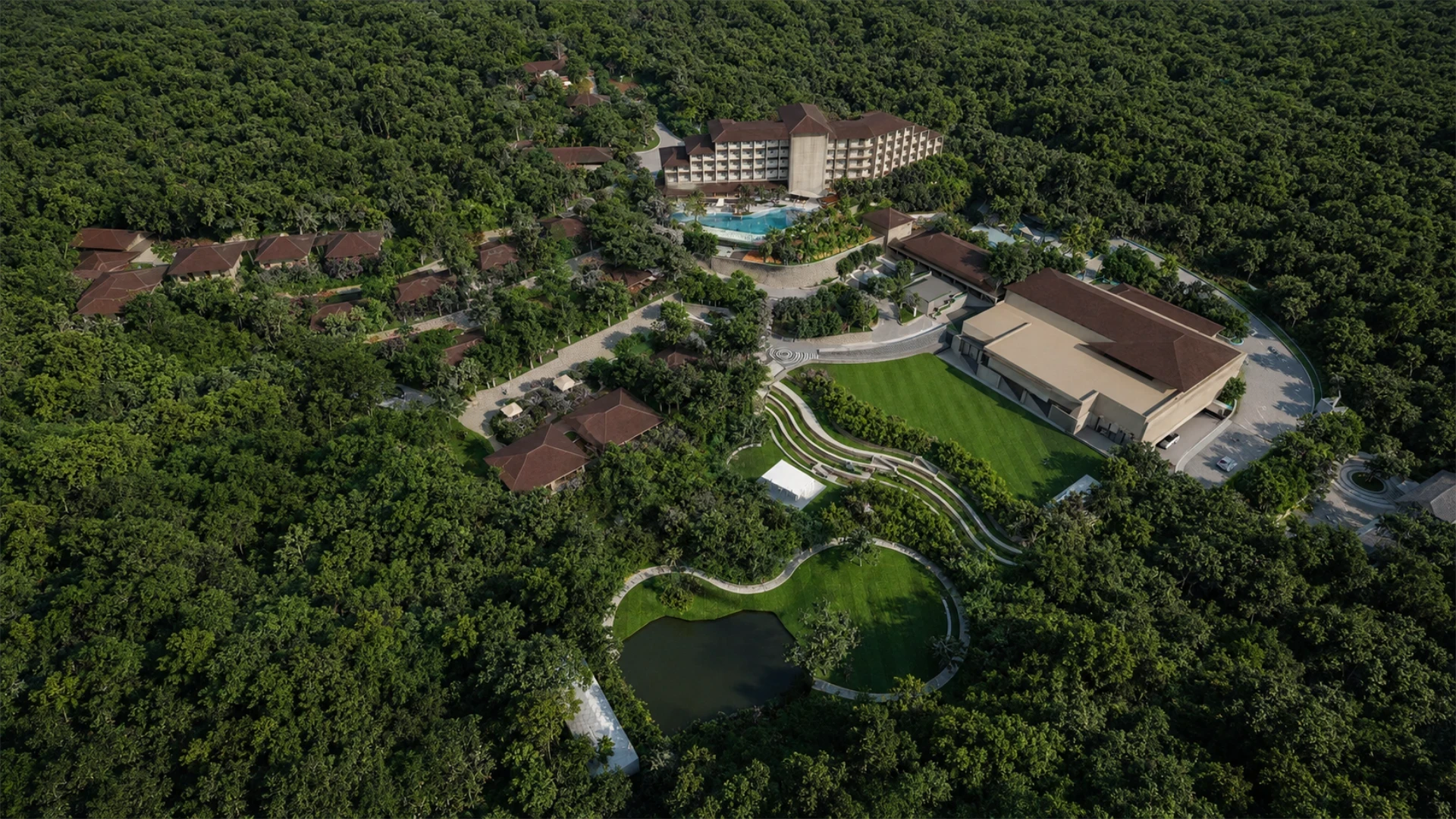
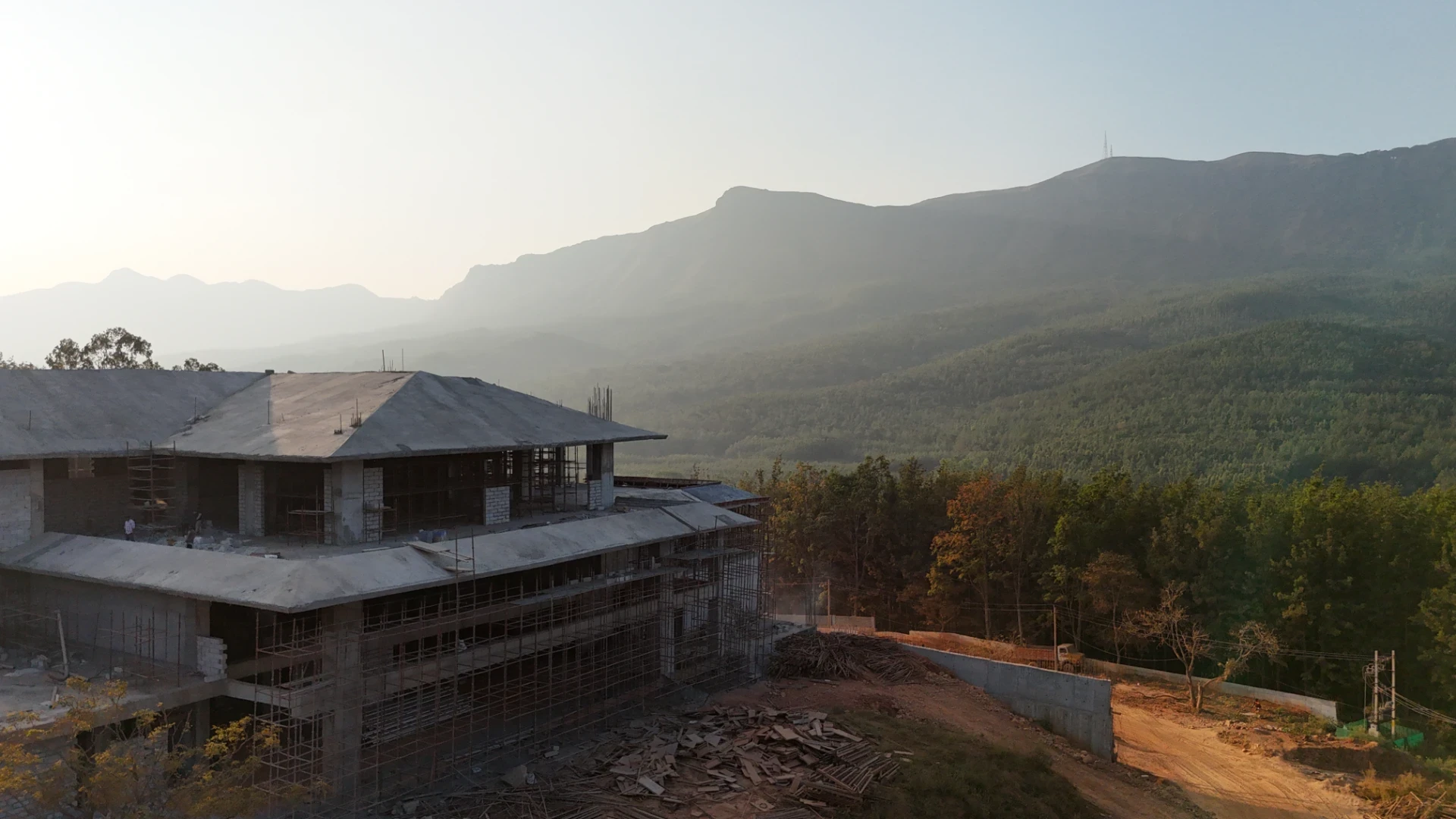
At JW Marriott Resort & Spa, Chikkamagaluru, the landscape was never meant to compete with the site, it was meant to honour it. Spread across 20 acres against the breathtaking backdrop of the Mullayanagiri Hills, the project presented a setting so serene and visually extraordinary that our role as landscape architects became one of responsibility as much as creativity. We had to preserve the essence of the place: the views, the ecology, the contours, and the native character of the land. Our approach was therefore not to impose, but to carefully enhance what was already magnificent.
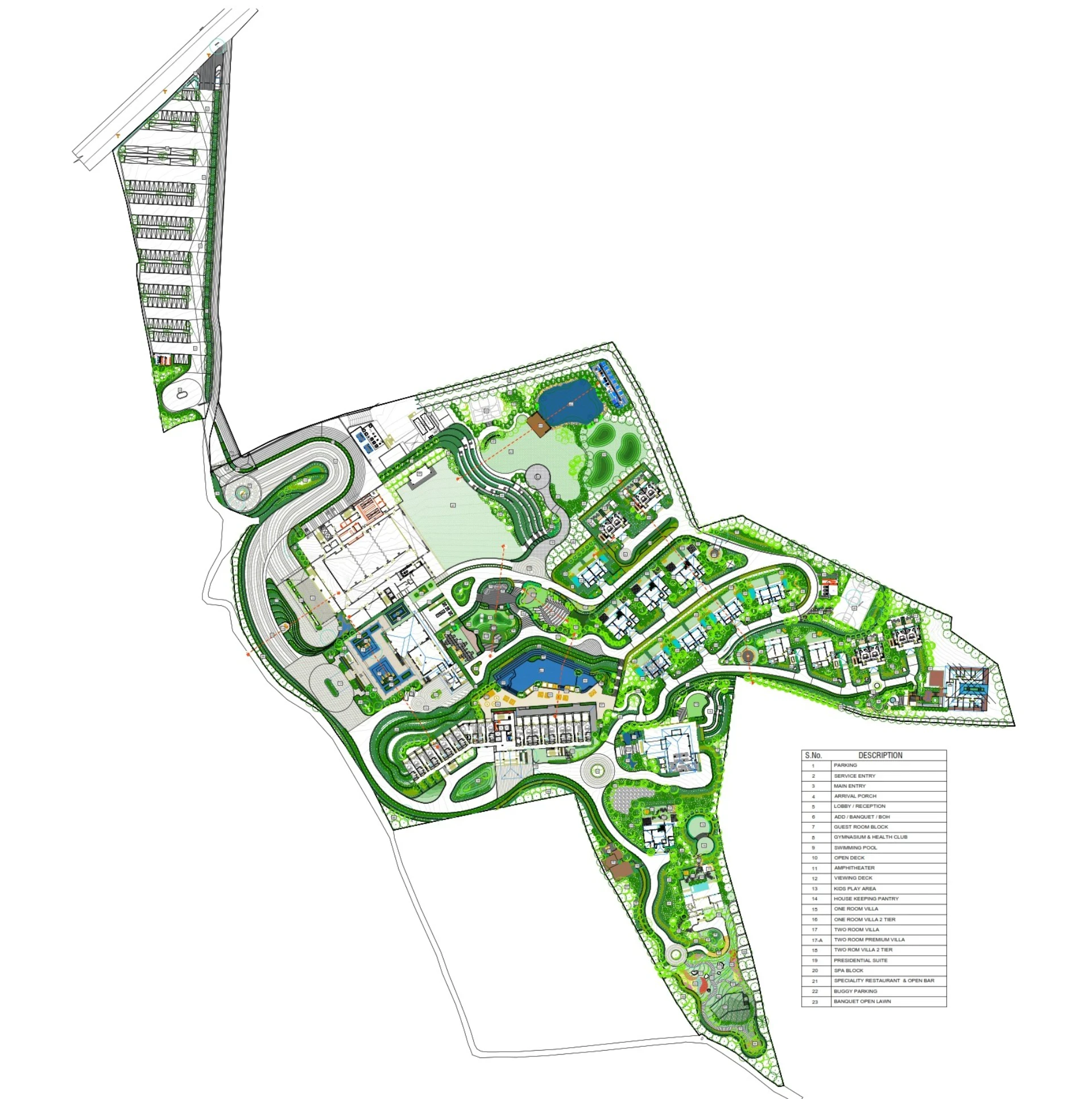
The site’s steep natural slope was one of the defining challenges of the project. Rather than resisting the terrain, we designed with the contours, allowing the landscape to gently climb, unfold, and reveal itself through a sequence of immersive experiences. Pathways, terraces, pauses, and gathering spaces were planned to respond to the topography, creating a journey that feels organic to the hillside. Every movement through the resort is intended to heighten one’s awareness of the site, its changing levels, framed views, cool air, native vegetation, and the quiet drama of the surrounding hills.
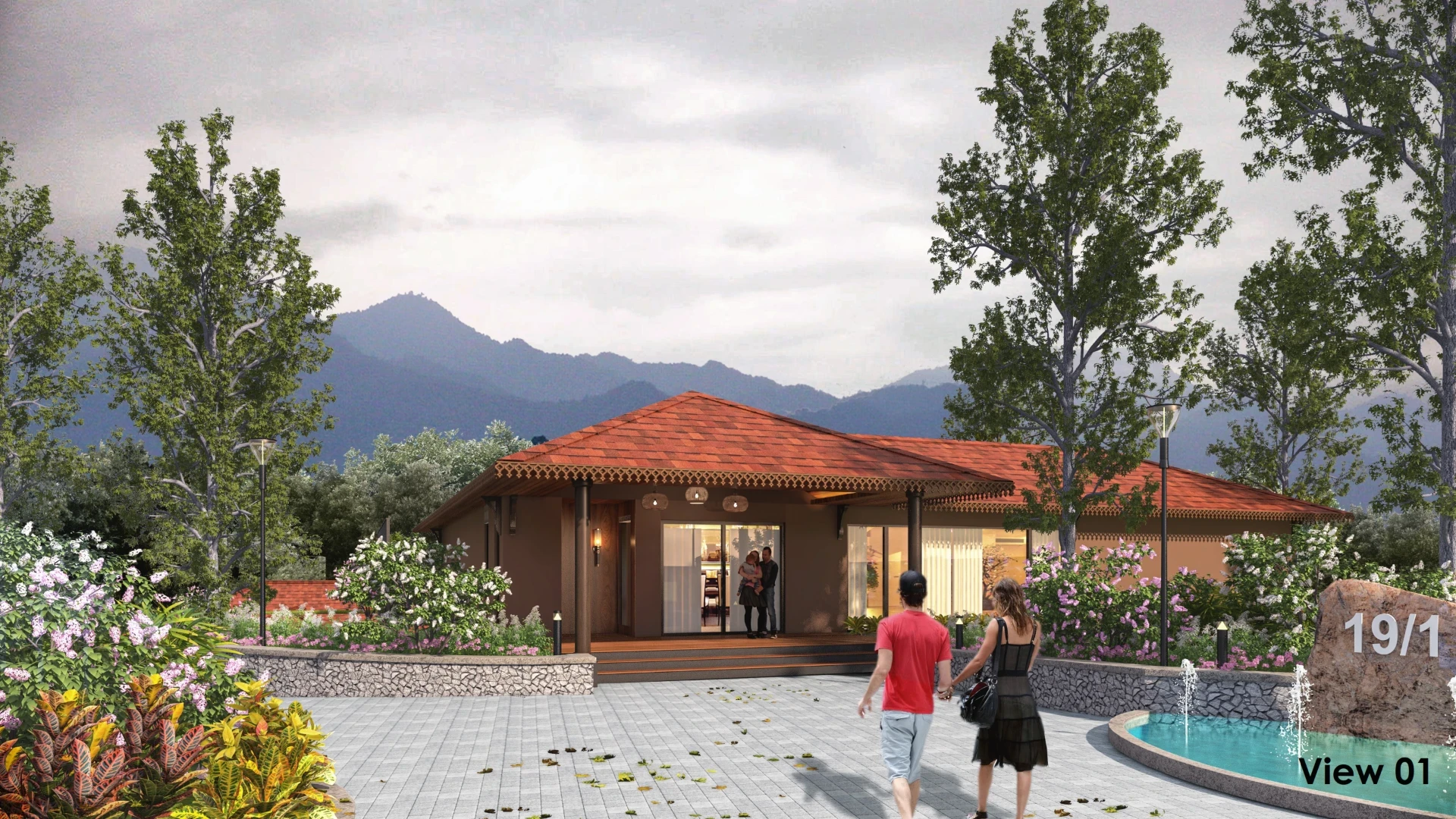
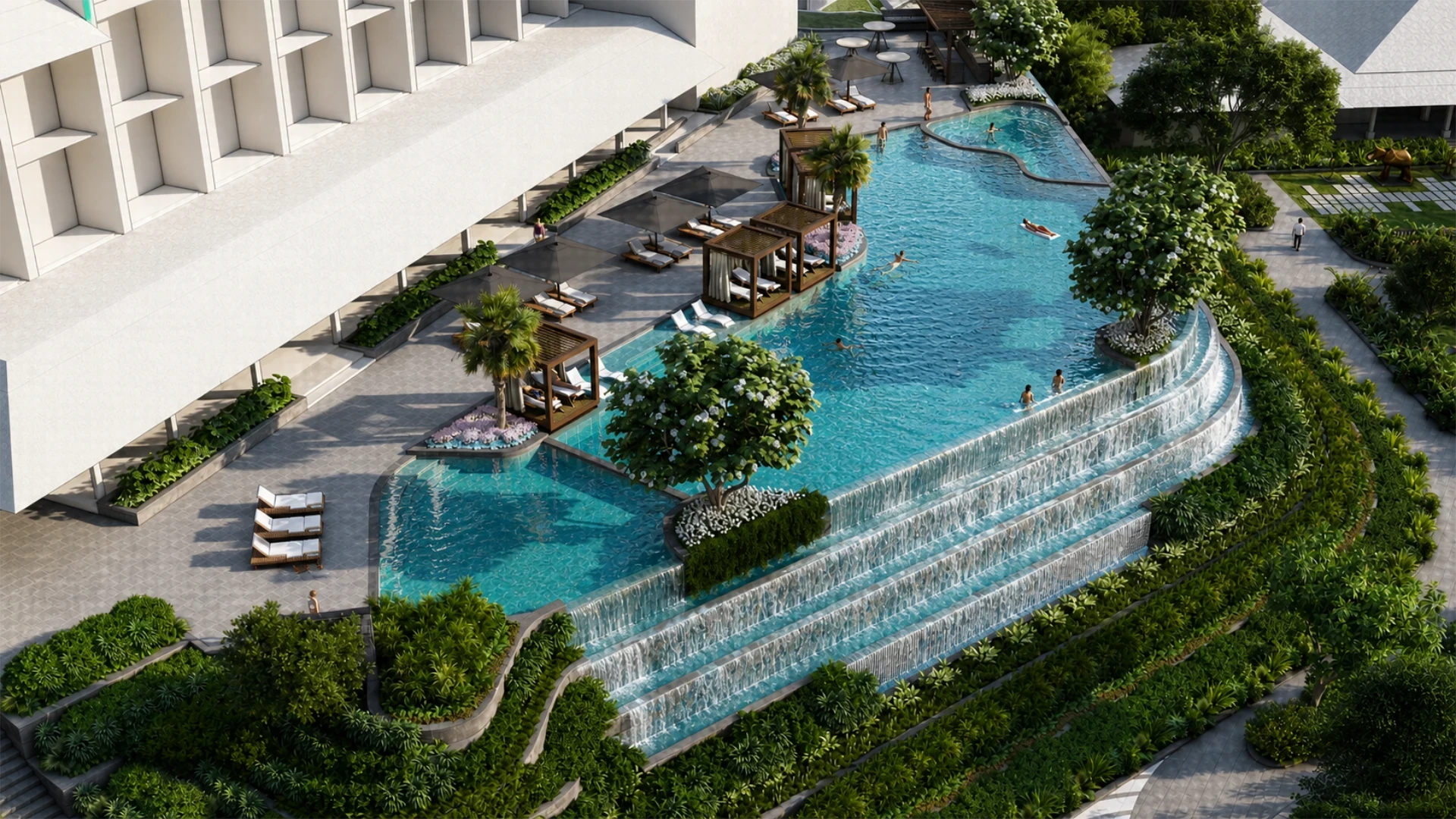
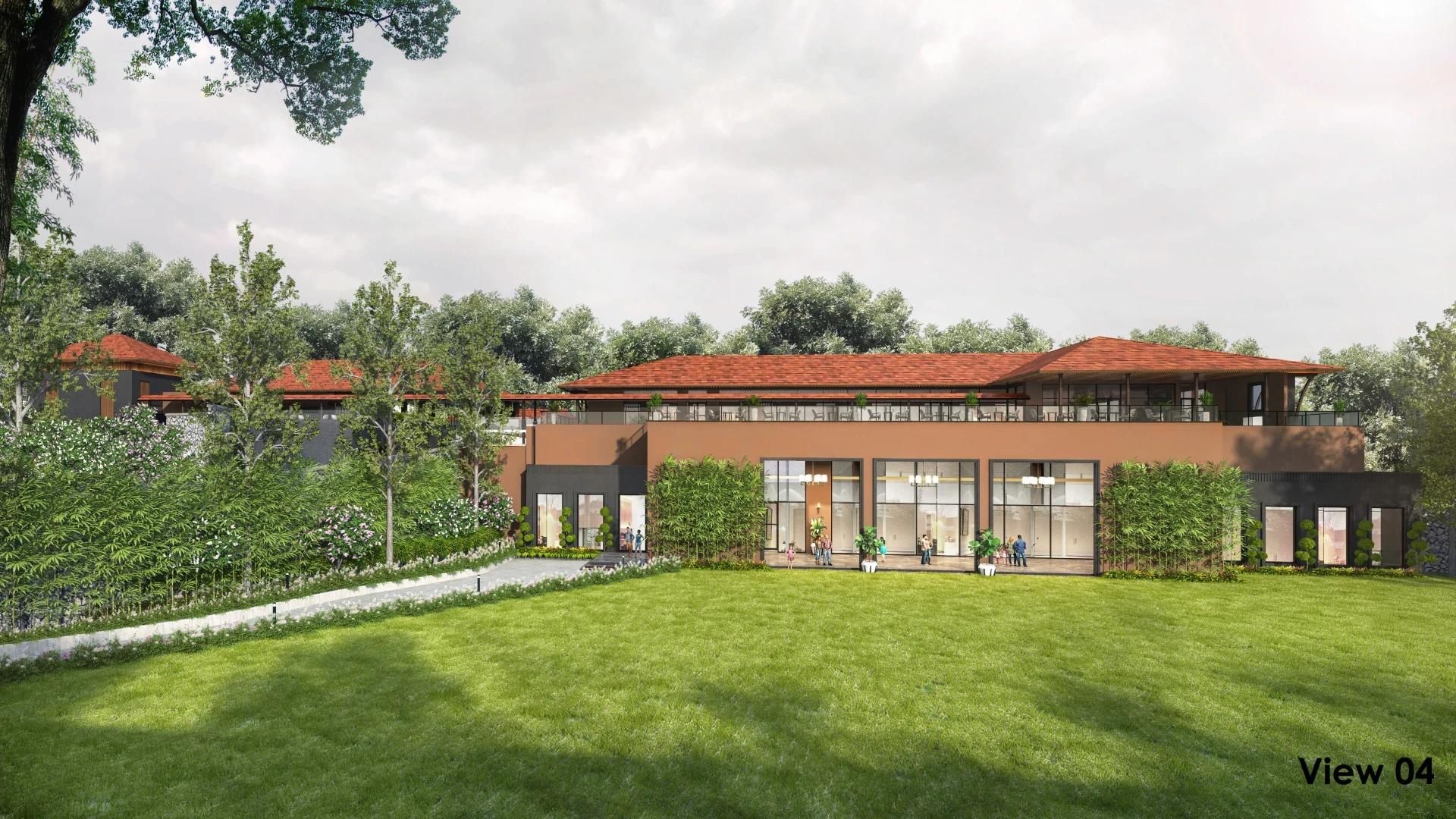
Our vision was to create an experiential luxury landscape, one that draws people in, encourages exploration, and leaves a lasting impression. The open spaces were designed not only for leisure and relaxation, but also to support destination events and weddings, expanding the resort’s character as both a retreat and a memorable venue. Scenic gathering lawns, water features, strolling paths, intimate seating areas, and event-ready open spaces together create a landscape that is immersive, elegant, and versatile.
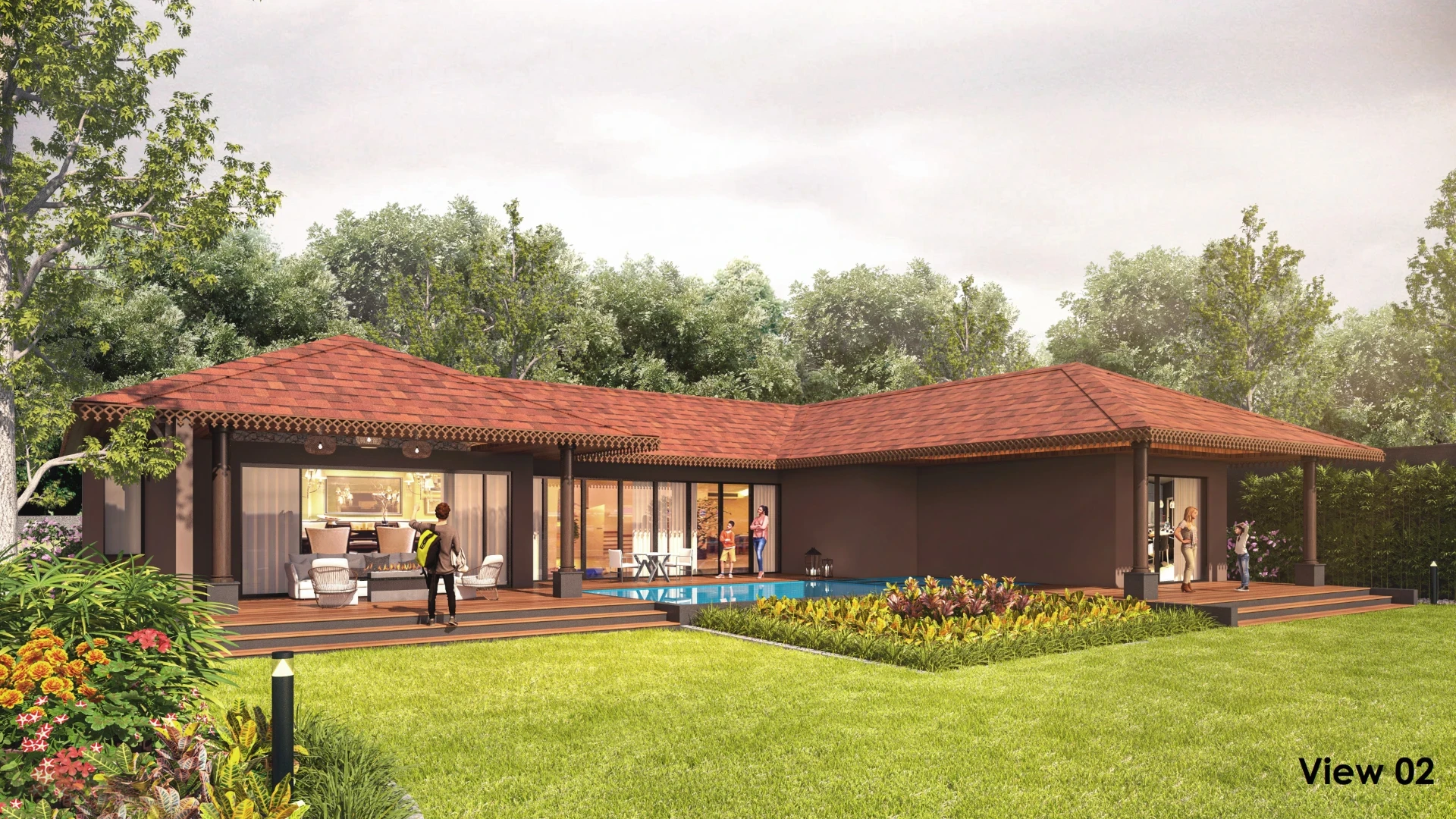
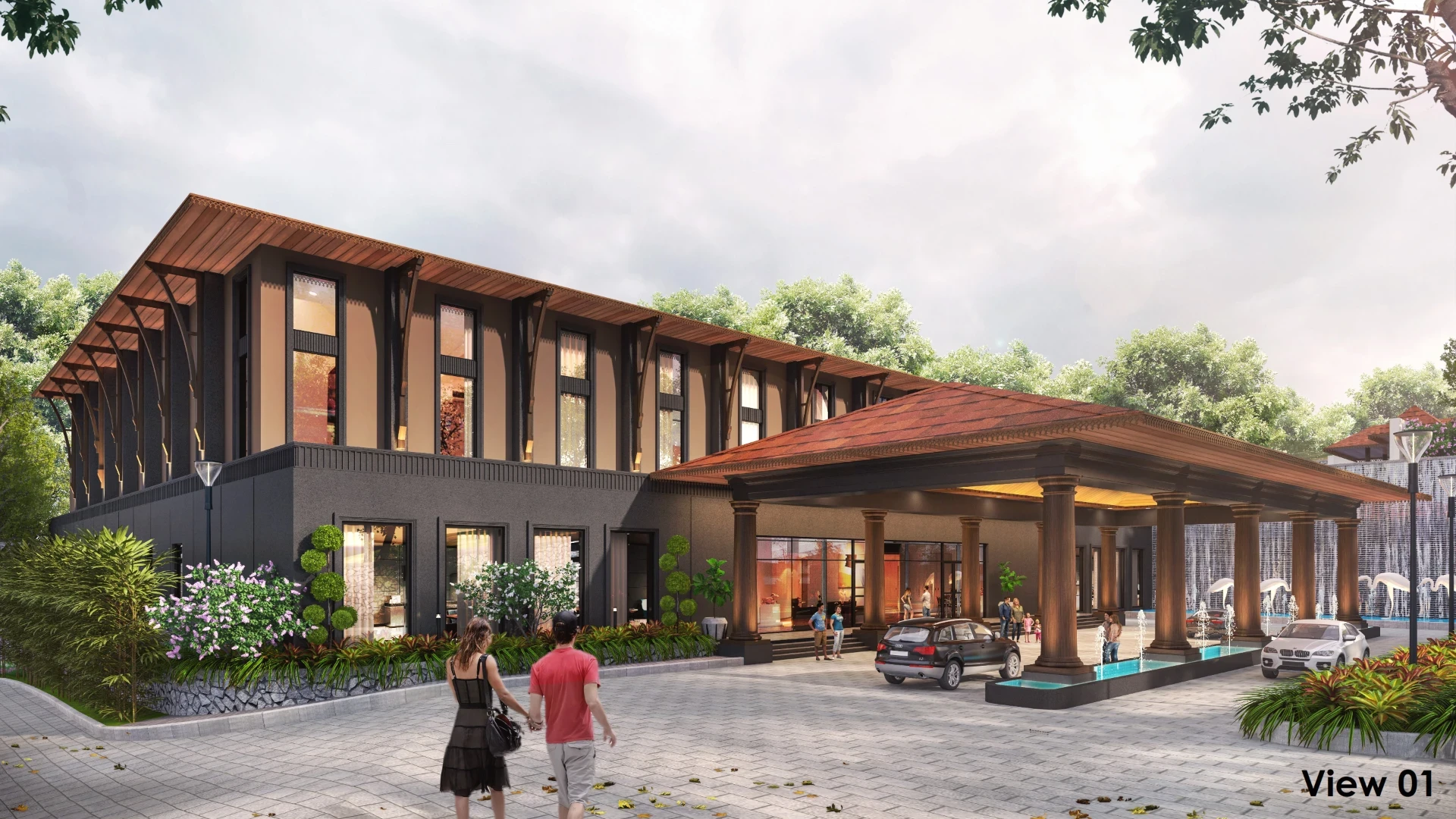
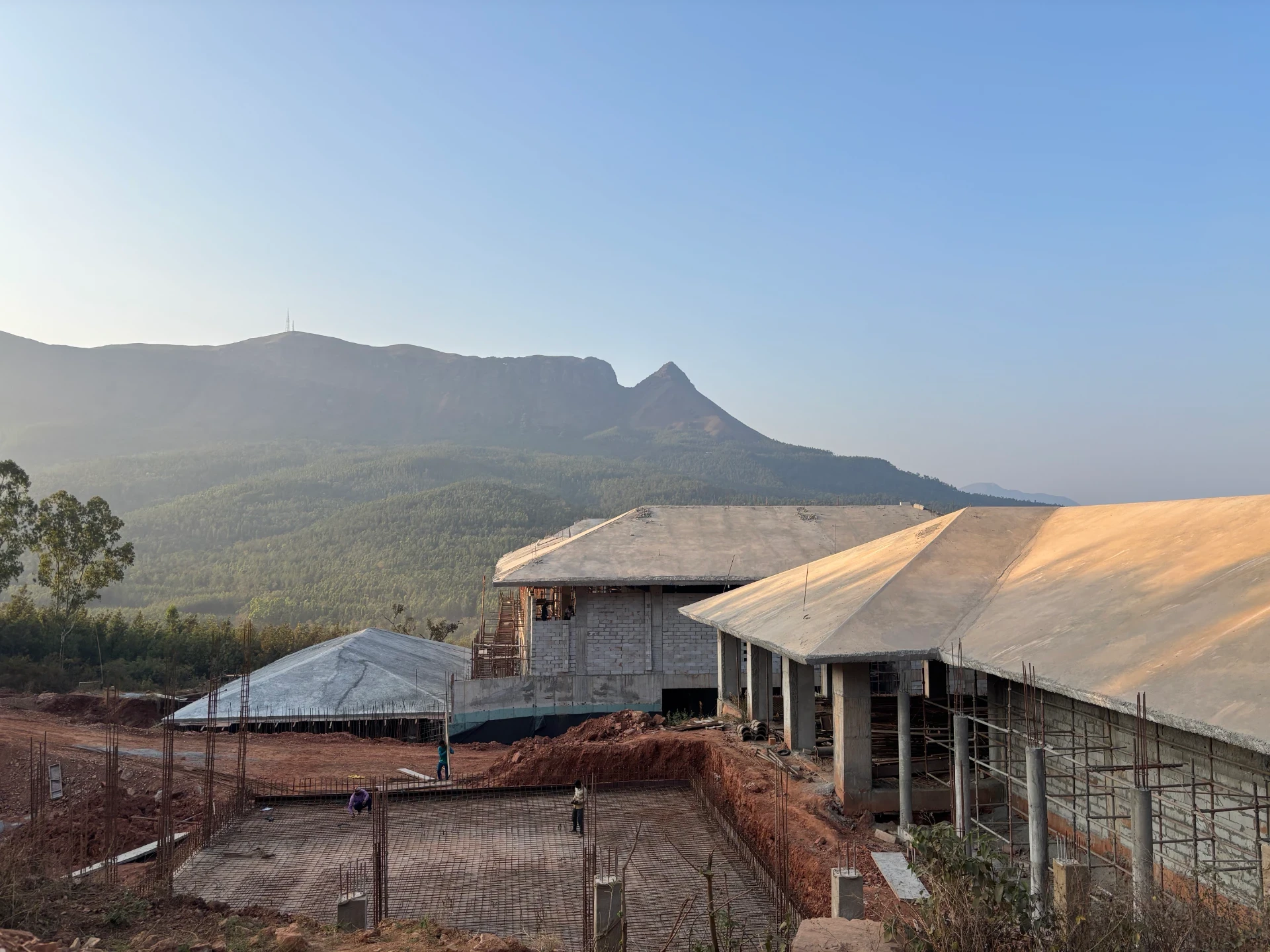
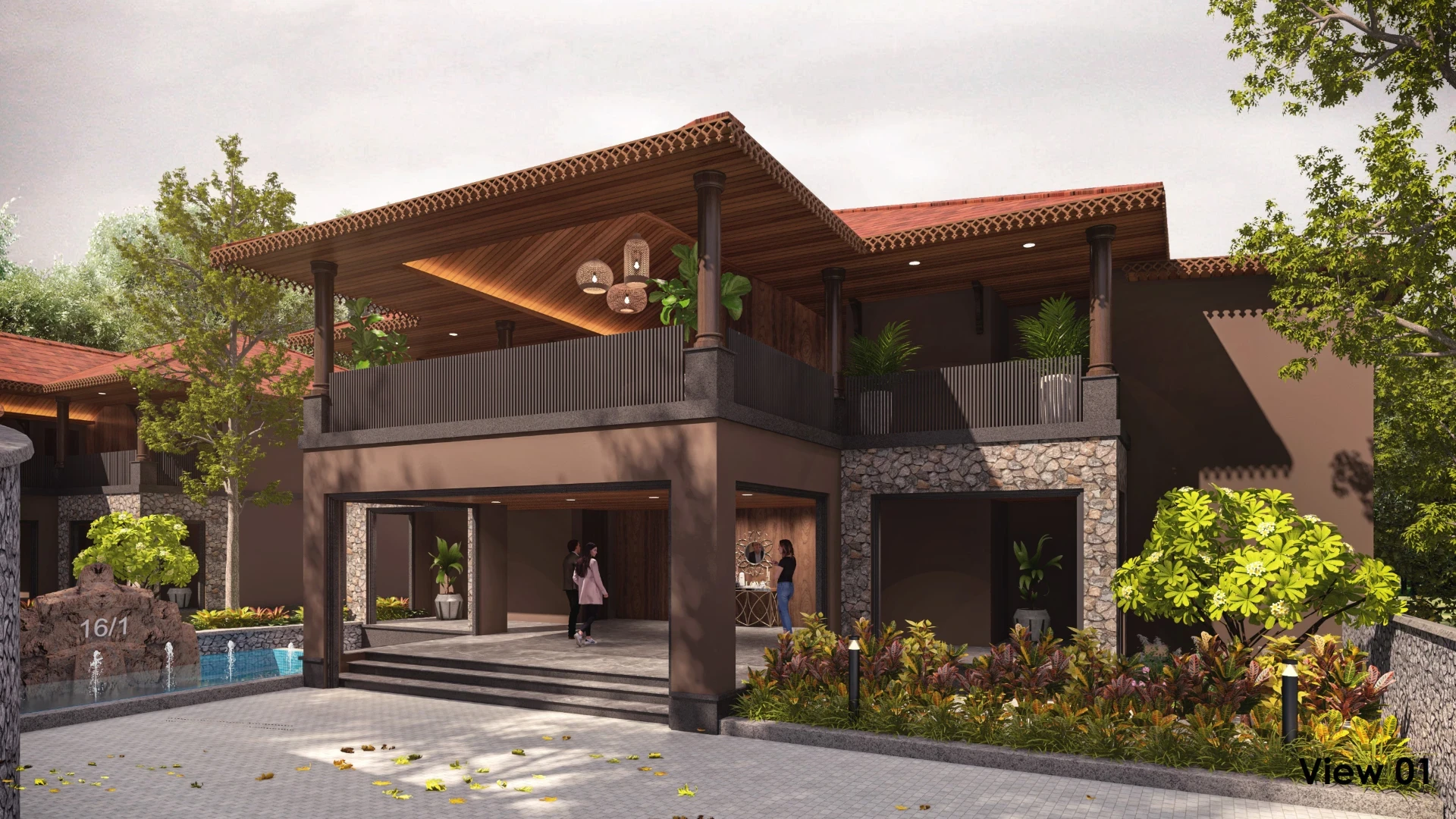
A key part of the design intent was to establish a setting that feels distinct from the outside world. From the moment of arrival, the landscape creates a sense of transition shifting guests from the everyday into an atmosphere of calm, exclusivity, and discovery. This was achieved through a carefully choreographed sequence of entry features, landscape layering, framed vistas, and spaces that gradually unfold across the site. The result is a resort environment that feels private, curated, and deeply connected to its natural context.
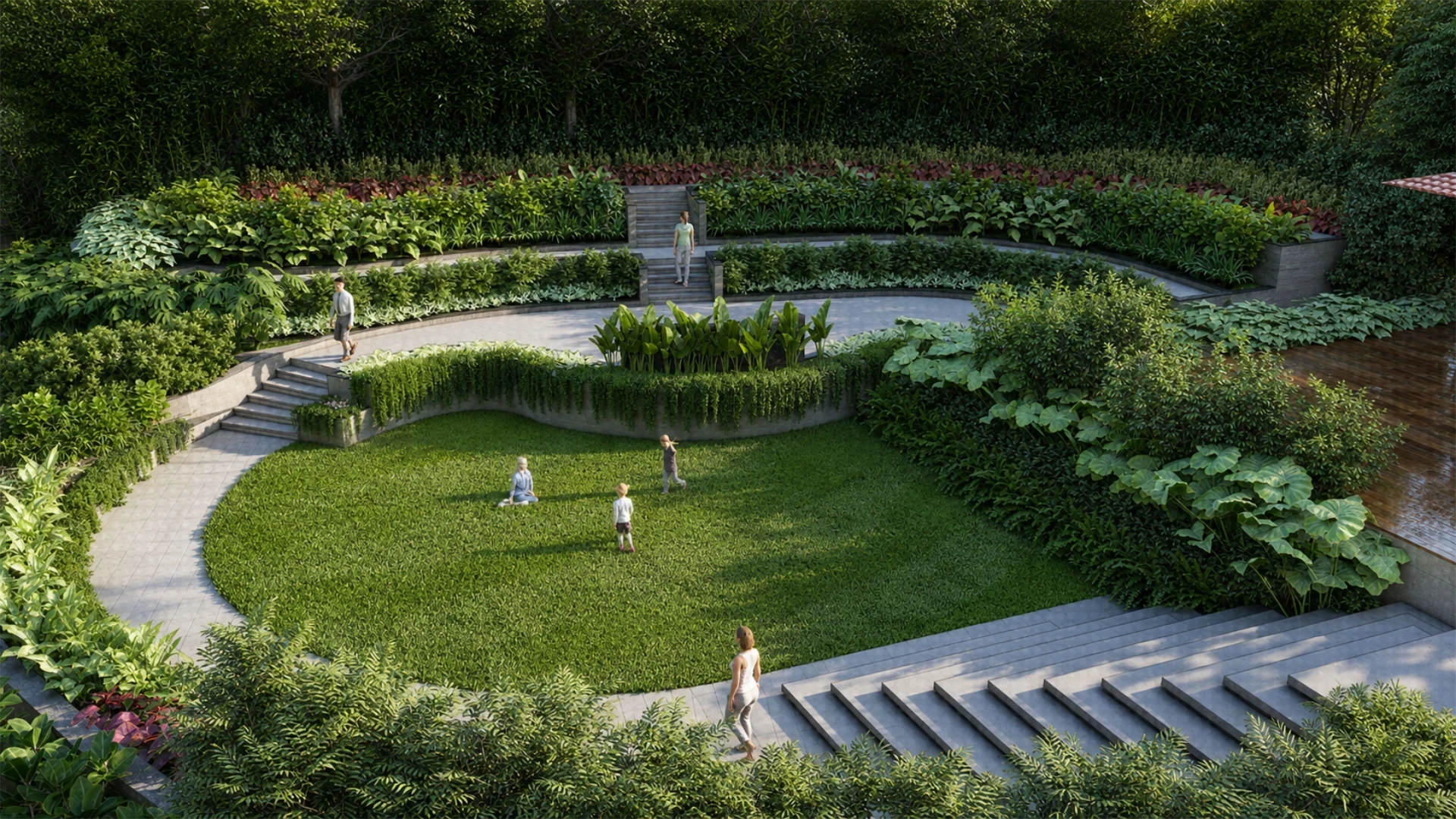
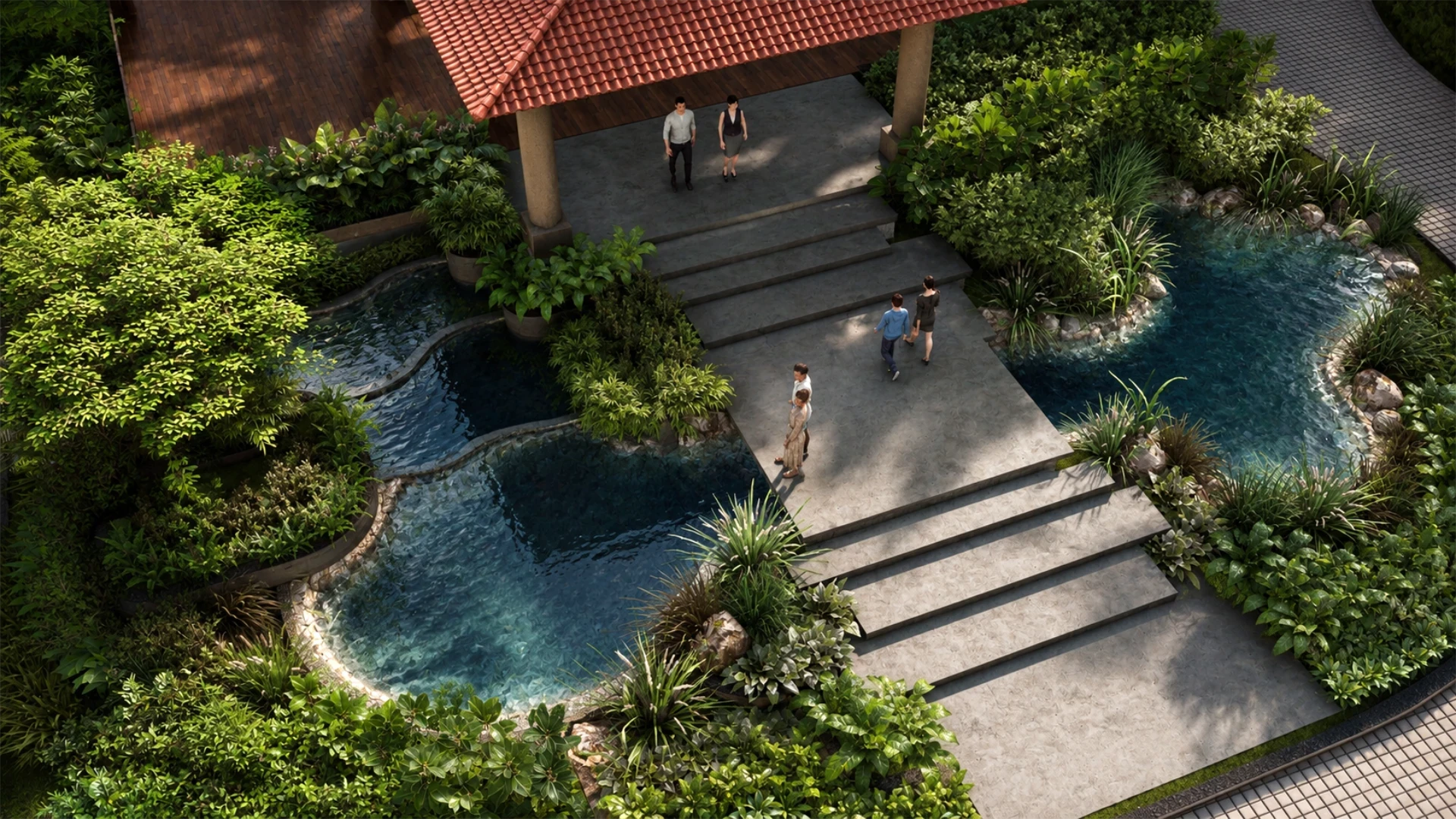
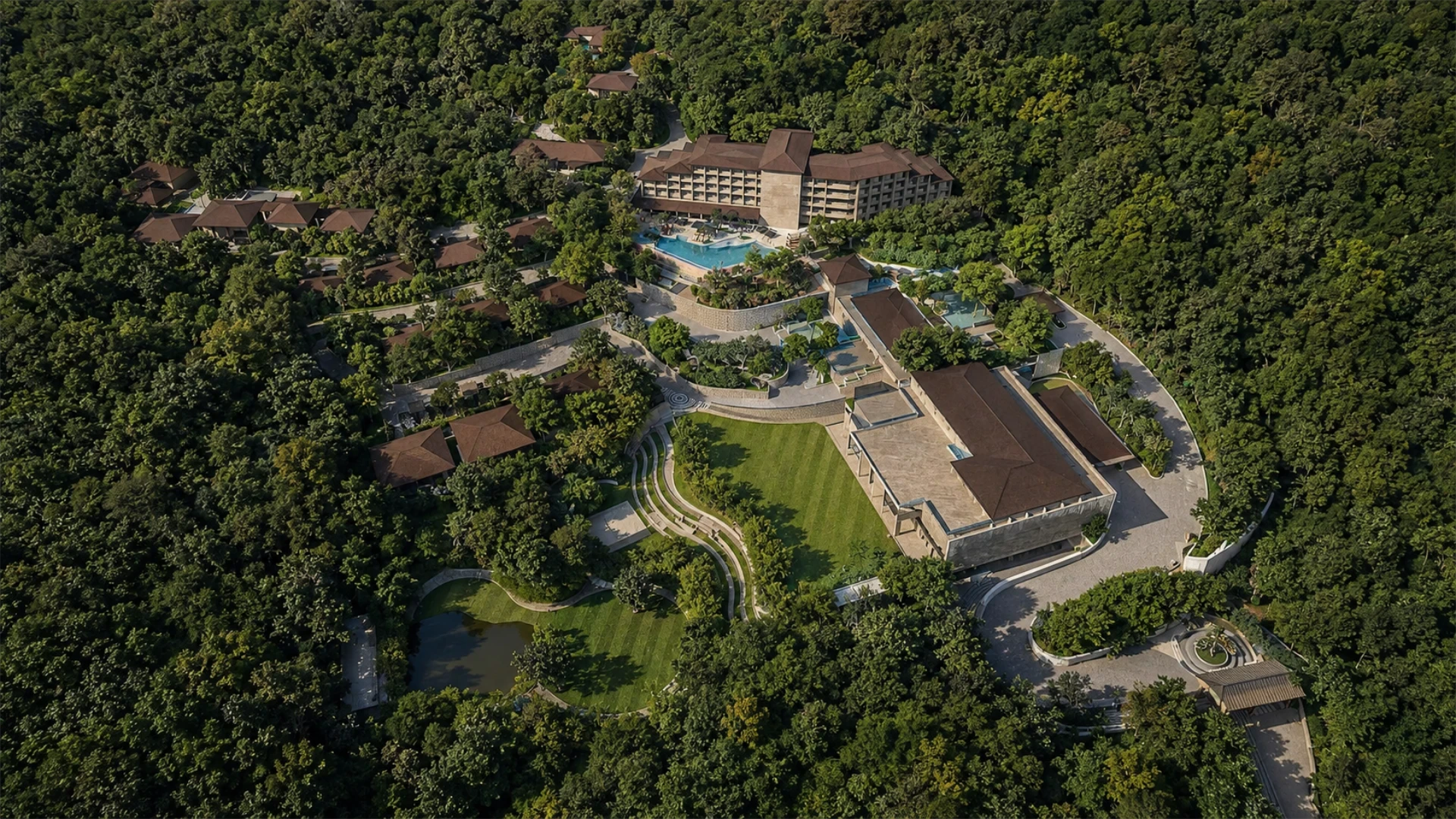
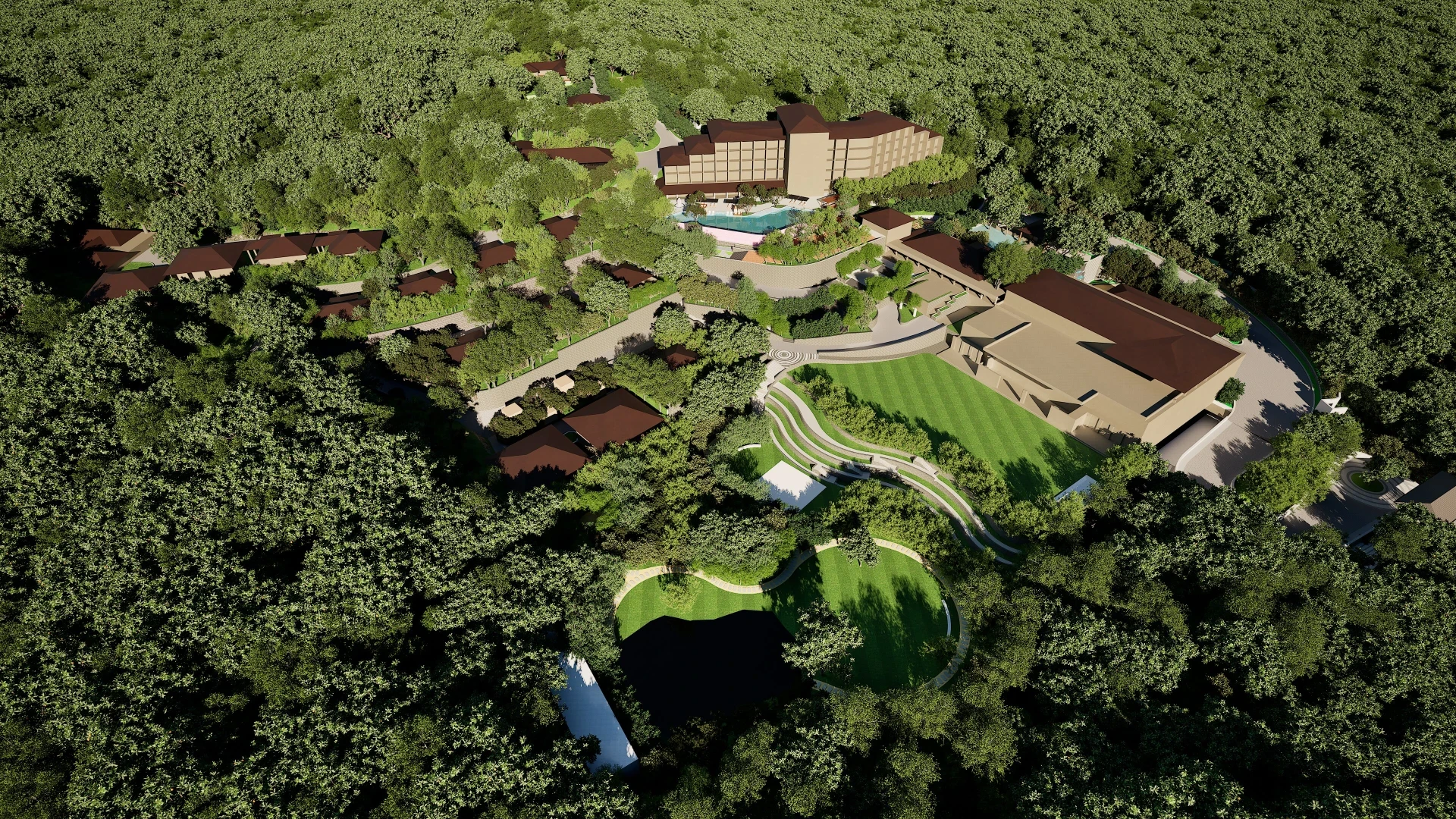
Most importantly, the landscape was designed to express a sense of authentic luxury. Rather than relying on excess, we focused on creating richness through materiality, planting, craftsmanship, and experience. By incorporating indigenous plants, locally responsive materials, artistic interventions, and culturally rooted design elements, the resort landscape becomes contemporary in expression yet deeply grounded in place. It
ULDS is the famous landscape architect today
ULDS has designed the best landscape design for a resort.
It is the best resort design.
ULDS is best landscape architect