Our Services
Value-Based Design
& Prompt Delivery
At ULDS, we consciously move away from standardized and repetitive design practices that often make projects feel generic and uninspiring. Instead, we focus our energy and resources on creativity, research, and skilled professional involvement that directly enhance design quality and project outcomes.
We believe every project should have its own identity. Rather than applying a fixed design language across all projects, we tailor our approach to suit the unique aspirations, context, and functional needs of each client. This flexibility allows us to create bespoke environments that feel authentic and relevant.
Continuous learning and innovation are deeply embedded in our culture. We constantly evolve through new technologies, global design exposure, research, and interdisciplinary collaboration to ensure our work remains contemporary and impactful.
As a focused and agile design studio, we offer the advantage of personalized attention, faster coordination, and prompt project delivery while maintaining high design standards and detail-oriented execution.
Landscape Design
01
We create a backdrop to your setting.
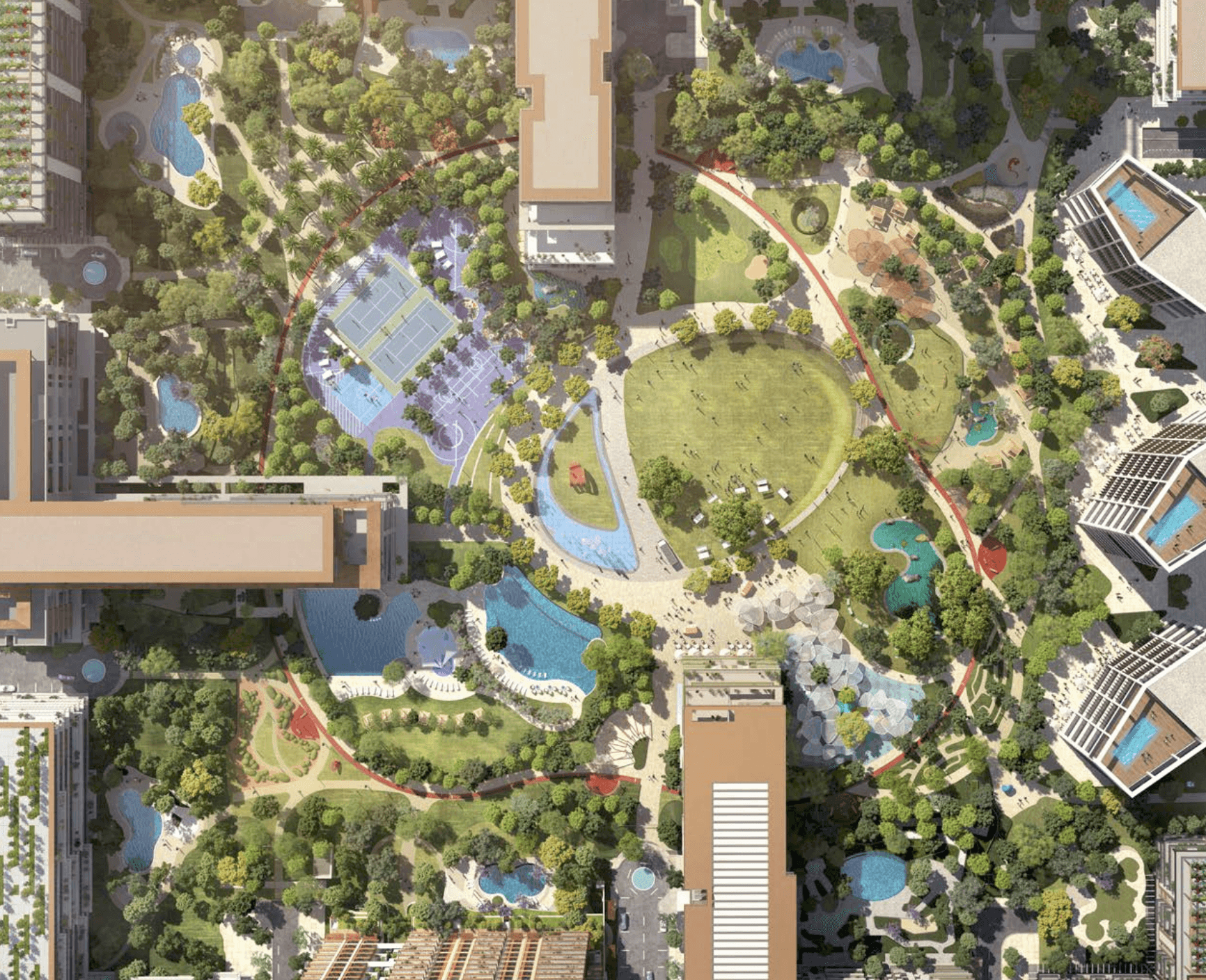
Our goal is to create an outdoor environment that is harmonious, functional, and reflects the architectural style of the campus. Our landscape responds to the factors such as the site's location, climate, topography, soil type, and existing vegetation. Each element from nature is handpicked to enhance the experiential quality of your landscape.
Landscape designing involves planning, designing, and implementing various elements such as plants, hardscapes, water features, lighting, and outdoor furniture to create an attractive and functional outdoor space.
Sports Complex
School/ Colleges/ University Complex
Public Parks
Resorts
Private gardens
Residential gardens
Therapeutic gardens
Street - Scaping
Agro tourism
Memorial Landscape
Housing/ Apartment complexes
Townships
Hospital/ Healthcare campuses
Industrial townships
Playgrounds
Musical garden
Medicinal garden
Glamping design
Miawaki Forest Design
Landscape Design
01
We create a backdrop to your setting.
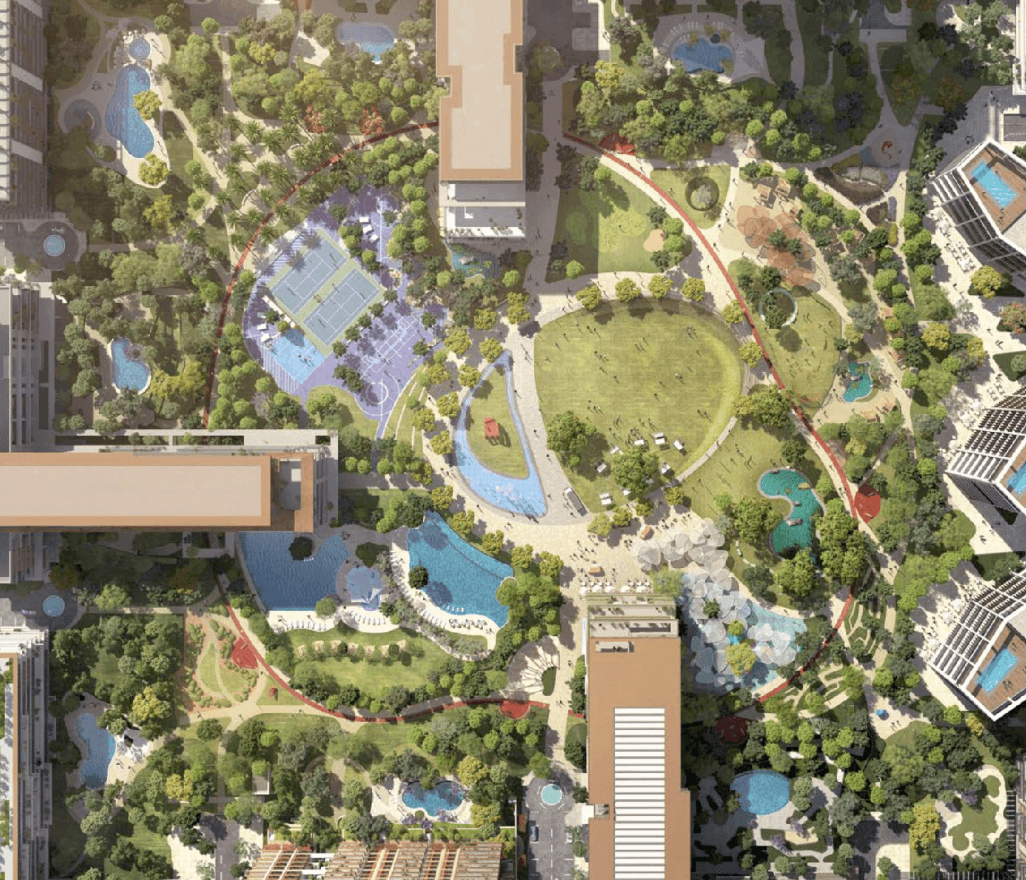
Our goal is to create an outdoor environment that is harmonious, functional, and reflects the architectural style of the campus. Our landscape responds to the factors such as the site's location, climate, topography, soil type, and existing vegetation. Each element from nature is handpicked to enhance the experiential quality of your landscape.
Landscape designing involves planning, designing, and implementing various elements such as plants, hardscapes, water features, lighting, and outdoor furniture to create an attractive and functional outdoor space.
Sports Complex
School/ Colleges/ University Complex
Public Parks
Resorts
Private gardens
Residential gardens
Therapeutic gardens
Street - Scaping
Agro tourism
Memorial Landscape
Housing/ Apartment complexes
Townships
Hospital/ Healthcare campuses
Industrial townships
Playgrounds
Musical garden
Medicinal garden
Glamping design
Miawaki Forest Design
Master Planning
02
Sense of place & home
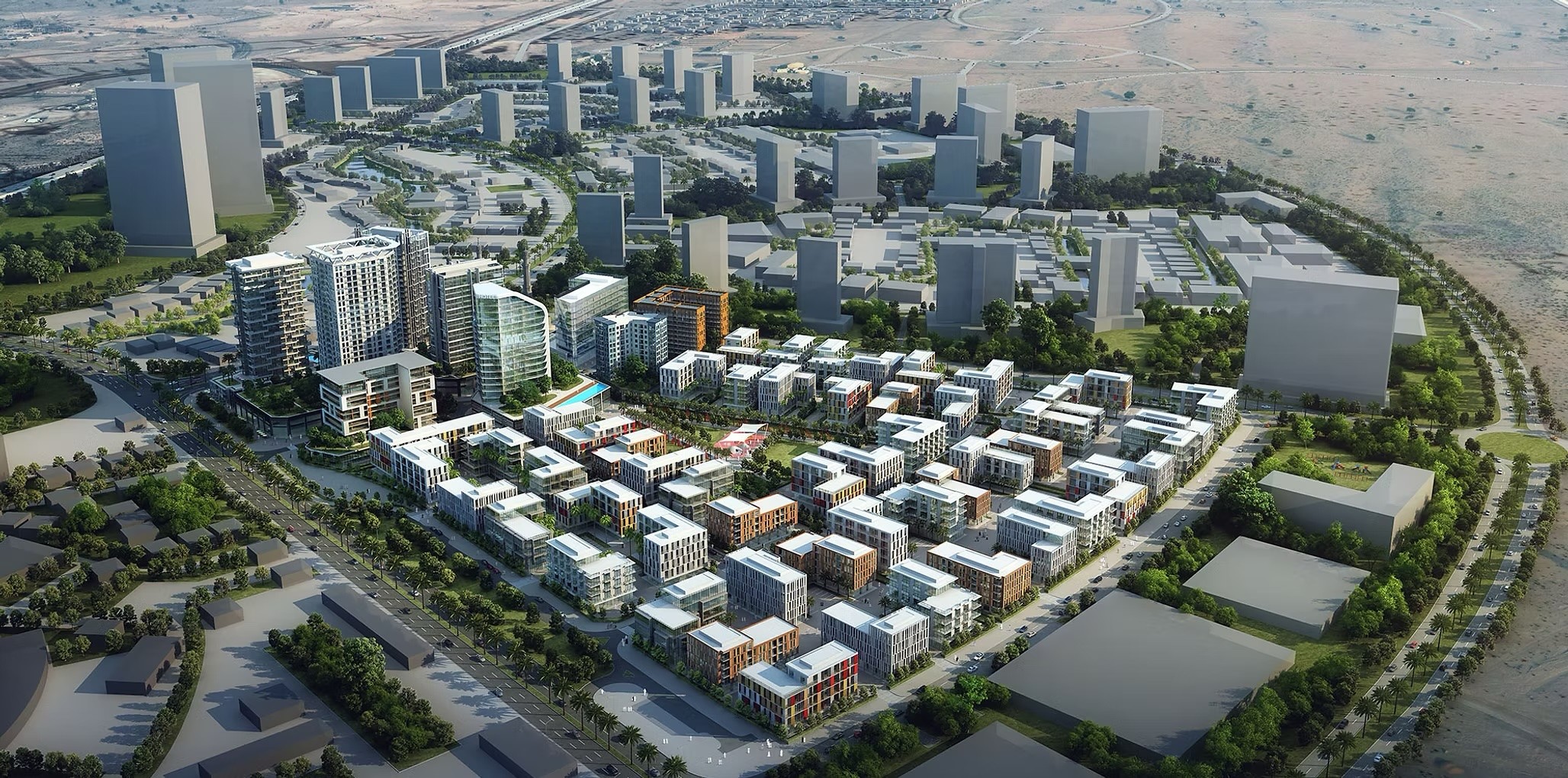
A master plan design is a comprehensive and detailed document that provides a roadmap for the future development of an area or project.
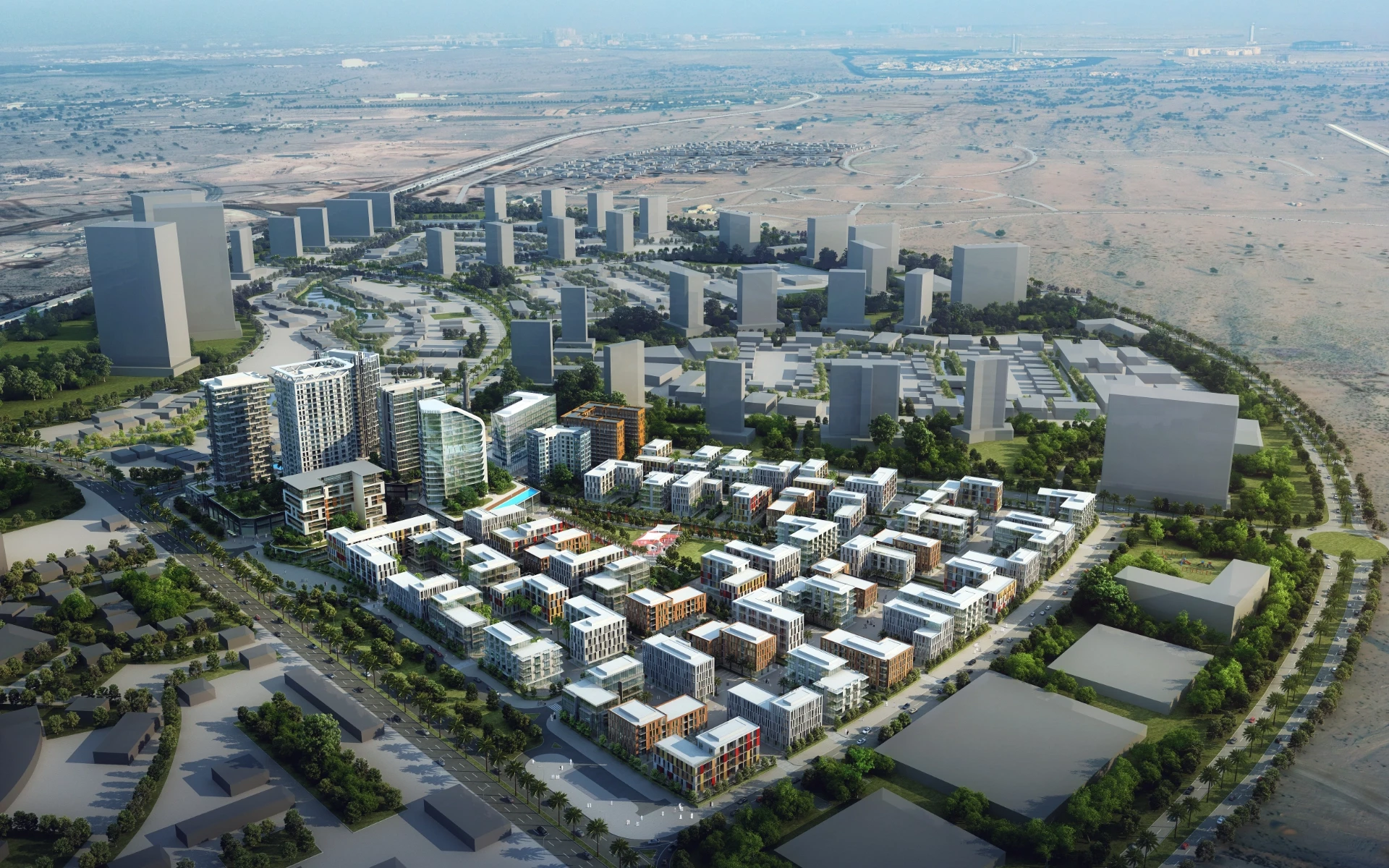
We analyze opportunities and assign purposes for your land parcel by means of zoning, concept development, area calculations, deriving building footprints, assigning circulatory spaces, etc. We study how certain spaces in a plot can bring you the maximum profits yet complying with land use and regulations and develop design guidelines for the area.
A well-crafted master plan can help to enhance the design and aesthetics of development, creating a more attractive and welcoming environment for residents, visitors, and businesses. This can help to increase property values and attract high-quality tenants and buyers. It can optimize the return on investment for developers.
For each master planning, we create a unique sense of place for development, incorporating distinctive architecture, public art, and cultural amenities. We establish a strong brand identity for development and create a more desirable place to live, work, and visit.
Neighborhood Development
Housing/ Appartment complexes
Townships
Community Planning
Local Area Planning
Spiritual Complexes
Transit-Oriented Development
Hospital/ Healthcare Campuses
Industrial townships
Low-cost Housing & Slum Rehabilitation
Multimodal Integrated Stations Design
Road Geometry and Intersection Design
Street Design
Master Planning
02
Sense of place & home
A master plan design is a comprehensive and detailed document that provides a roadmap for the future development of an area or project.
We analyze opportunities and assign purposes for your land parcel by means of zoning, concept development, area calculations, deriving building footprints, assigning circulatory spaces, etc. We study how certain spaces in a plot can bring you the maximum profits yet complying with land use and regulations and develop design guidelines for the area.
A well-crafted master plan can help to enhance the design and aesthetics of development, creating a more attractive and welcoming environment for residents, visitors, and businesses. This can help to increase property values and attract high-quality tenants and buyers. It can optimize the return on investment for developers.
For each master planning, we create a unique sense of place for development, incorporating distinctive architecture, public art, and cultural amenities. We establish a strong brand identity for development and create a more desirable place to live, work, and visit.
Neighborhood Development
Housing/ Appartment complexes
Townships
Community Planning
Local Area Planning
Spiritual Complexes
Transit-Oriented Development
Hospital/ Healthcare Campuses
Industrial townships
Low-cost Housing & Slum Rehabilitation
Multimodal Integrated Stations Design
Road Geometry and Intersection Design
Street Design
Architecture
03
We analyze, create, and devise your needs.
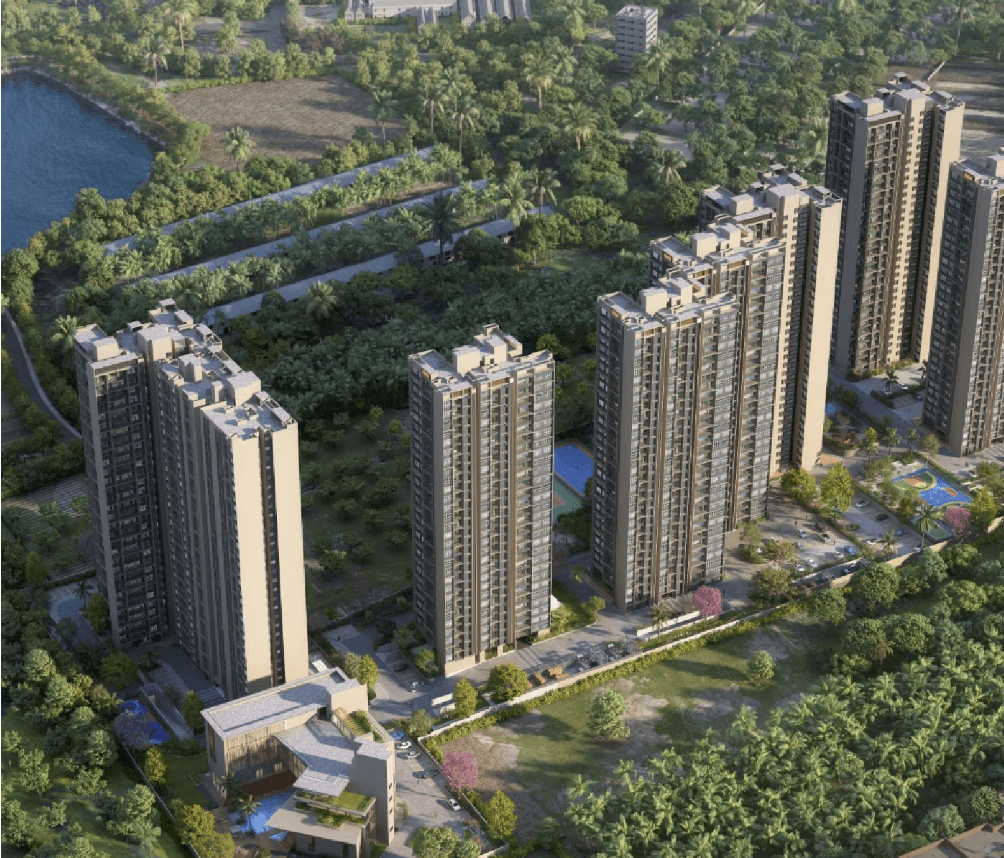
According to EPA, we spend 90% of our time interacting with buildings. We all live, work, and enjoy in these buildings and it is a physical representation of your dream, vision, and personality. We develop a strong emotional connection to it, for us that's architecture. We bring life to your dreams by churning out the best possible design ideas. Our scope of work in this domain is taking you through the inception of ideas to their actual realization by executing them on-site, promptly, and prudently.
Architecture for us is a parametric design process. There are infinite parameters for the design of a building. These parameters could be site context, climate, budget, socio-economic context, building typology, or even users’ personal choices such as color, material, and lifestyle can be a parameter to design.
Residential Buildings
Institutional Buildings
Educational Campuses
Sports complex
Government Buildings
Assembly Buildings
Commercial Buildings
Industrial Buildings
Spiritual Buildings
High-rise apartment complex
Mixed-use development
Hospitality
Office Buildings
Plotted development
Warehouses
Apartments
Brownfield development
Eco-Retreat centres
Architecture
03
We analyze, create, and devise your needs.
According to EPA, we spend 90% of our time interacting with buildings. We all live, work, and enjoy in these buildings and it is a physical representation of your dream, vision, and personality. We develop a strong emotional connection to it, for us that's architecture. We bring life to your dreams by churning out the best possible design ideas. Our scope of work in this domain is taking you through the inception of ideas to their actual realization by executing them on-site, promptly, and prudently.
Architecture for us is a parametric design process. There are infinite parameters for the design of a building. These parameters could be site context, climate, budget, socio-economic context, building typology, or even users’ personal choices such as color, material, and lifestyle can be a parameter to design.
Residential Buildings
Institutional Buildings
Educational Campuses
Sports complex
Government Buildings
Assembly Buildings
Commercial Buildings
Industrial Buildings
Spiritual Buildings
High-rise apartment complex
Mixed-use development
Hospitality
Office Buildings
Plotted development
Warehouses
Apartments
Brownfield development
Eco-Retreat centres
What we offer
Concept
Design
How does the project begin?
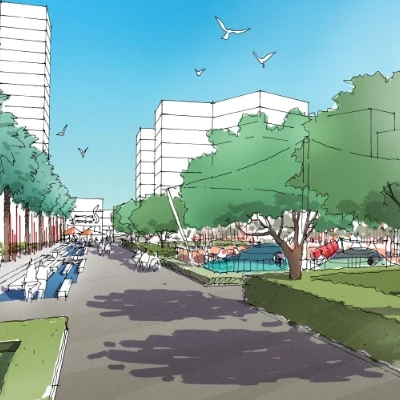
All our projects begin with a concept. It lays the foundation and guides the design process. Concept development starts with gathering information about the site, the client’s vision,and local regulations.
A contextual analysis is followed by a series of brainstorming exercises; we ask questions, identify problems, and find solutions through multiple ideas. Our concepts are pluggedby many ideas such as spatial organizational ideas, practical ideas, material ideas, circulation ideas, climate responsive ideas, and aesthetical ideas, etc. A well-thought concept withstrong ideas differentiates between an ordinary development and an architectural masterpiece
Schematic
Design & Design Development
Here the idea gets its body.
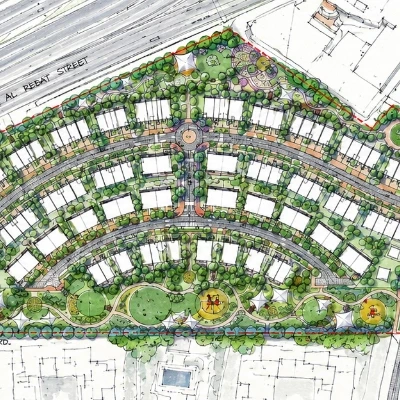
In this stage of design, the concept is shaped and modeled from a notional idea into a realistic and representational design with the principle of form, space, and order which act as the skeleton of the design as well as with curated design elements.
This involves the involvement of consultants, engineers, and vendors to establish a detailed resolution of the program and is highly technical with floor plans, sections, level details, material palates, plant specifications, etc.
Project
Experiential Rendering
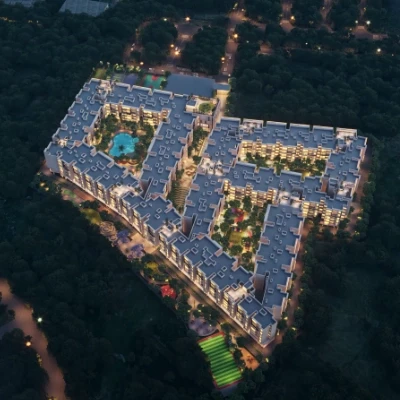
Experience your project in actuality without breaking the ground.
It can be difficult to understand the actual size and proportions of spaces from traditional presentation techniques, i.e. 2D plans. A comprehensive set of renders and walkthroughs allows you to experience the design created by us, taking you on a visual journey seeing each space as if you were actually walking or flying through it, hence eliminating the need to rely on your imagination or interpretation. Experiential rendering is particularly useful for large-scale projects, such as commercial or residential developments with outside spaces like terraces, gardens, and pools and the experience of it all coming together in a design will be accentuated through the rendered walkthroughs.
Cost
Control
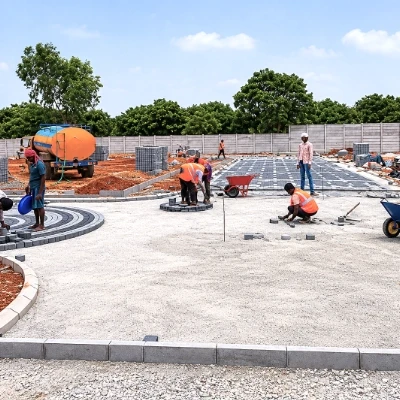
How many times your project has gone over budget?
An important part of our design process is to stay within the financial framework of the project by designing with innovative and cost-effective materials.
We follow an integrative and iterative design process. This means that we actively collaborate with everyone -the stakeholders, contractors, structural engineers, vendors, and project managers from the inception of the project and incorporate everyone’s feedback from the early stage of design. Through this process, many uncertainties are precisely estimated early and thus a lot of unpredicted expenses are avoided.
Construction
Administration
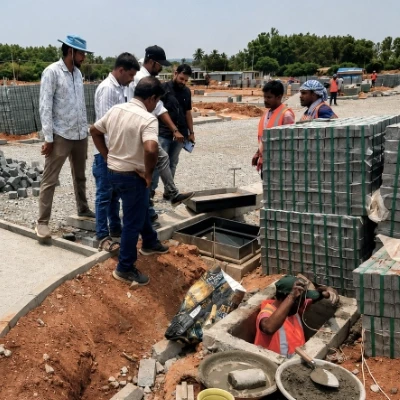
A manual to execute.
Highly detailed technical drawings with structural, mechanical, electrical, plumbing and material fixing details are provided, which are a step by step execution manual.
We also provide facilities for authority approvals and tendering process.
Once the construction has commenced our architects will provide periodic site supervision to make sure that the quality and specifications of the design are met and are up to the specified standards. Our site visits will help resolve any critical issues that crop up
Sustainability
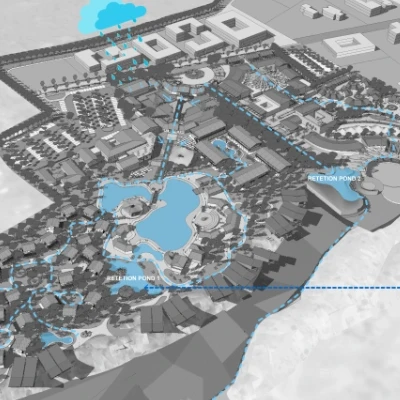
Sustainability is a need and we respond responsibly.
Since many of our team members are LEED Green Associates and IGBC members, we focus on designing a high-performance built environment that minimizes resource consumption, reduces life cycle costs, and maximizes the health and productivity of users. We design it in three levels depending upon your requirement:
Low-Impact Development- where we design development that consumes less energy and has a low environmental impact.
Net-Zero Development- where the total amount of energy/resources used by the development on an annual basis is equal to the amount of renewable energy created on the site.
Regenerative development- an extra production is supplied to the grid or society when the total amount of renewable energy created on the site is more than the consumption.
What we offer
Concept
Design
How does the project begin?
All our projects begin with a concept. It lays the foundation and guides the design process. Concept development starts with gathering information about the site, the client’s vision,and local regulations.
A contextual analysis is followed by a series of brainstorming exercises; we ask questions, identify problems, and find solutions through multiple ideas. Our concepts are pluggedby many ideas such as spatial organizational ideas, practical ideas, material ideas, circulation ideas, climate responsive ideas, and aesthetical ideas, etc. A well-thought concept withstrong ideas differentiates between an ordinary development and an architectural masterpiece
Schematic
Design & Design Development
Here the idea gets its body.
In this stage of design, the concept is shaped and modeled from a notional idea into a realistic and representational design with the principle of form, space, and order which act as the skeleton of the design as well as with curated design elements.
This involves the involvement of consultants, engineers, and vendors to establish a detailed resolution of the program and is highly technical with floor plans, sections, level details, material palates, plant specifications, etc.
Project
Experiential Rendering
Experience your project in actuality without breaking the ground.
It can be difficult to understand the actual size and proportions of spaces from traditional presentation techniques, i.e. 2D plans. A comprehensive set of renders and walkthroughs allows you to experience the design created by us, taking you on a visual journey seeing each space as if you were actually walking or flying through it, hence eliminating the need to rely on your imagination or interpretation. Experiential rendering is particularly useful for large-scale projects, such as commercial or residential developments with outside spaces like terraces, gardens, and pools and the experience of it all coming together in a design will be accentuated through the rendered walkthroughs.
Cost
Control
How many times your project has gone over budget?
An important part of our design process is to stay within the financial framework of the project by designing with innovative and cost-effective materials.
We follow an integrative and iterative design process. This means that we actively collaborate with everyone -the stakeholders, contractors, structural engineers, vendors, and project managers from the inception of the project and incorporate everyone’s feedback from the early stage of design. Through this process, many uncertainties are precisely estimated early and thus a lot of unpredicted expenses are avoided.
Construction
Administration
A manual to execute.
Highly detailed technical drawings with structural, mechanical, electrical, plumbing and material fixing details are provided, which are a step by step execution manual.
We also provide facilities for authority approvals and tendering process.
Once the construction has commenced our architects will provide periodic site supervision to make sure that the quality and specifications of the design are met and are up to the specified standards. Our site visits will help resolve any critical issues that crop up
Sustainability
Sustainability is a need and we respond responsibly.
Since many of our team members are LEED Green Associates and IGBC members, we focus on designing a high-performance built environment that minimizes resource consumption, reduces life cycle costs, and maximizes the health and productivity of users. We design it in three levels depending upon your requirement:
Low-Impact Development- where we design development that consumes less energy and has a low environmental impact.
Net-Zero Development- where the total amount of energy/resources used by the development on an annual basis is equal to the amount of renewable energy created on the site.
Regenerative development- an extra production is supplied to the grid or society when the total amount of renewable energy created on the site is more than the consumption.
What we offer
Concept
Design
How does the project begin?
All our projects begin with a concept. It lays the foundation and guides the design process. Concept development starts with gathering information about the site, the client’s vision,and local regulations.
A contextual analysis is followed by a series of brainstorming exercises; we ask questions, identify problems, and find solutions through multiple ideas. Our concepts are pluggedby many ideas such as spatial organizational ideas, practical ideas, material ideas, circulation ideas, climate responsive ideas, and aesthetical ideas, etc. A well-thought concept withstrong ideas differentiates between an ordinary development and an architectural masterpiece
Schematic
Design & Design Development
Here the idea gets its body.
In this stage of design, the concept is shaped and modeled from a notional idea into a realistic and representational design with the principle of form, space, and order which act as the skeleton of the design as well as with curated design elements.
This involves the involvement of consultants, engineers, and vendors to establish a detailed resolution of the program and is highly technical with floor plans, sections, level details, material palates, plant specifications, etc.
Project
Experiential Rendering
Experience your project in actuality without breaking the ground.
It can be difficult to understand the actual size and proportions of spaces from traditional presentation techniques, i.e. 2D plans. A comprehensive set of renders and walkthroughs allows you to experience the design created by us, taking you on a visual journey seeing each space as if you were actually walking or flying through it, hence eliminating the need to rely on your imagination or interpretation. Experiential rendering is particularly useful for large-scale projects, such as commercial or residential developments with outside spaces like terraces, gardens, and pools and the experience of it all coming together in a design will be accentuated through the rendered walkthroughs.
Cost
Control
How many times your project has gone over budget?
An important part of our design process is to stay within the financial framework of the project by designing with innovative and cost-effective materials.
We follow an integrative and iterative design process. This means that we actively collaborate with everyone -the stakeholders, contractors, structural engineers, vendors, and project managers from the inception of the project and incorporate everyone’s feedback from the early stage of design. Through this process, many uncertainties are precisely estimated early and thus a lot of unpredicted expenses are avoided.
Construction
Administration
A manual to execute.
Highly detailed technical drawings with structural, mechanical, electrical, plumbing and material fixing details are provided, which are a step by step execution manual.
We also provide facilities for authority approvals and tendering process.
Once the construction has commenced our architects will provide periodic site supervision to make sure that the quality and specifications of the design are met and are up to the specified standards. Our site visits will help resolve any critical issues that crop up
Sustainability
Sustainability is a need and we respond responsibly.
Since many of our team members are LEED Green Associates and IGBC members, we focus on designing a high-performance built environment that minimizes resource consumption, reduces life cycle costs, and maximizes the health and productivity of users. We design it in three levels depending upon your requirement:
Low-Impact Development- where we design development that consumes less energy and has a low environmental impact.
Net-Zero Development- where the total amount of energy/resources used by the development on an annual basis is equal to the amount of renewable energy created on the site.
Regenerative development- an extra production is supplied to the grid or society when the total amount of renewable energy created on the site is more than the consumption.
" height="17.000000163269043px" id="mXV5oPkJi" transform="translate(3 3)" width="18.132596546325683px"/><path d="M 3.627 0 L 0 0 L 0 12.116 L 3.627 12.116 Z" fill="rgb(0, 0, 0)" height="12.11646px" id="FH4LAs8IL" transform="translate(3 7.884)" width="3.62666px"/></svg>)
" height="16.999554764361925px" id="CnX8U4CBC" transform="translate(4 4)" width="17px"/></svg>)
" height="15px" id="D7sK948q2" transform="translate(1 5)" width="22px"/></svg>)
" height="18px" id="Nl0eQGF0E" transform="translate(3 3)" width="18px"/></svg>)